Yoshizuka Unagiya | Fukuoka’s 150-Year Eel Rice Bowl
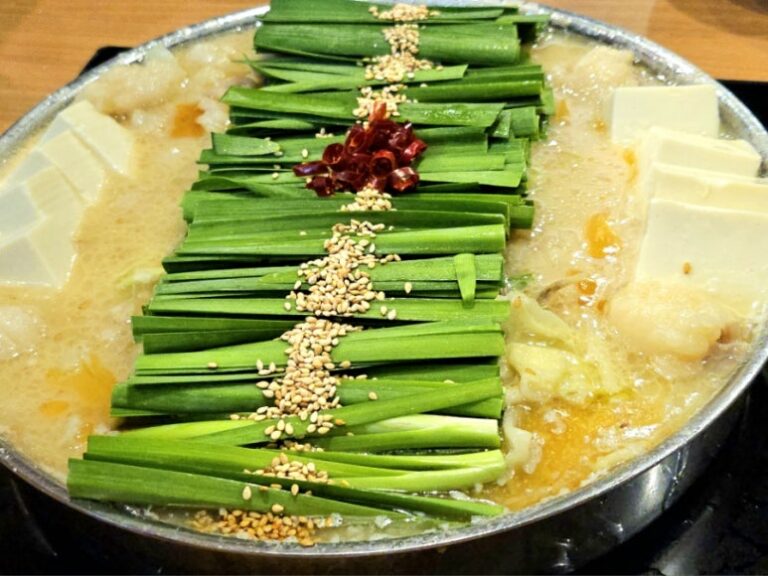
When people think of Fukuoka, ramen or motsunabe usually come to mind first. Still, I thought I had to try eel at least once. Especially at an unagi specialty restaurant, unagidon and unaju were on a completely different level from the eel rice bowls sold at convenience stores.
This time, I visited Yoshizuka Unagiya, a restaurant that was founded in 1873. They say they’re still using a sauce that was first made 150 years ago, which immediately made me curious about the flavor.
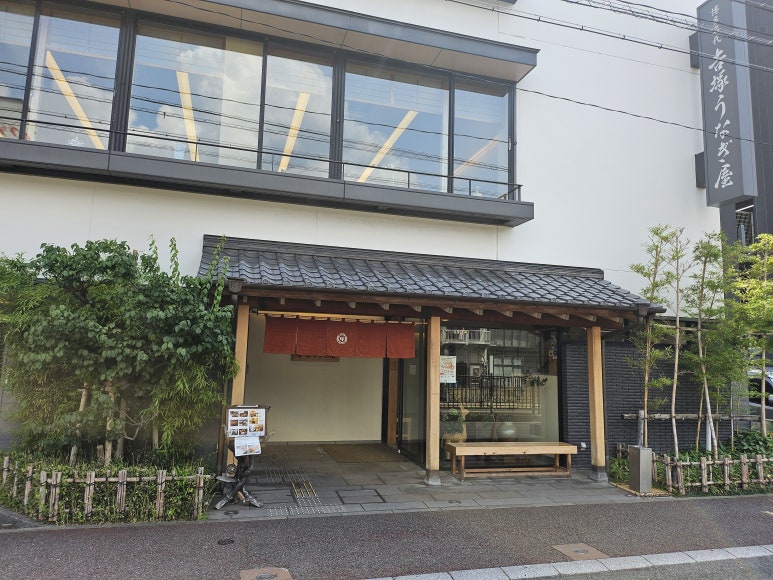
Exterior of Yoshizuka Unagiya
🕐 With Smart Timing to Skip the Wait
I’d heard this long-established restaurant often had significant lines. A lot of Korean visitors stop by as well, and many people seemed to line up before opening time.
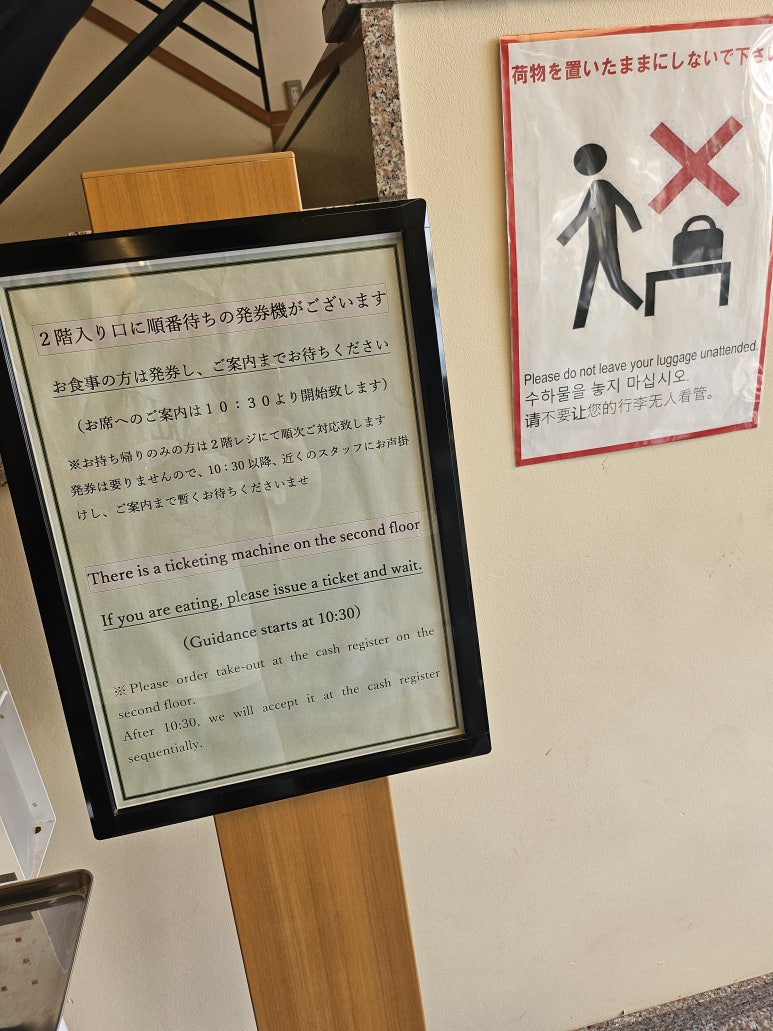
Sure enough, there was a notice at the first-floor entrance explaining that guests arriving before opening should take a numbered ticket from the machine and would be seated in order starting at 10:30 a.m.
But here’s what surprised me. I arrived a bit later, around 2:30 p.m., and couldn’t find anyone waiting. For a moment, I wondered if I’d come to the wrong place. When I headed up to the second floor and looked around, I was seated immediately without even a second of waiting. If you avoid the main meal hours, you’ll be able to enjoy the restaurant much more comfortably. 😄
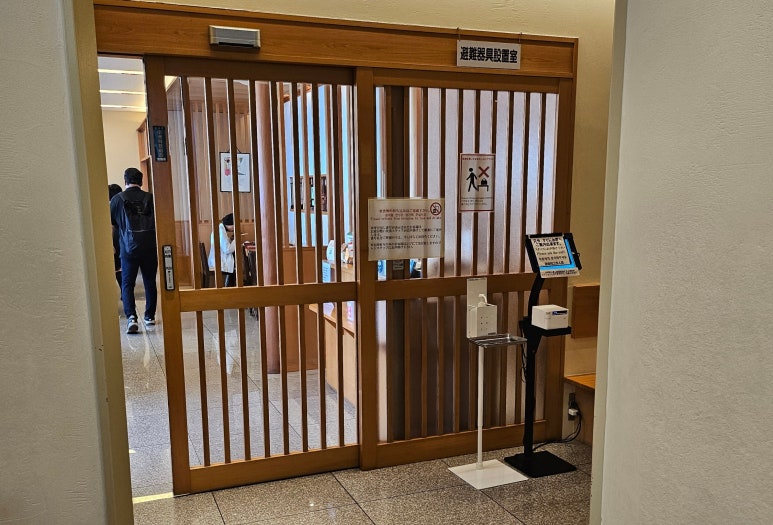
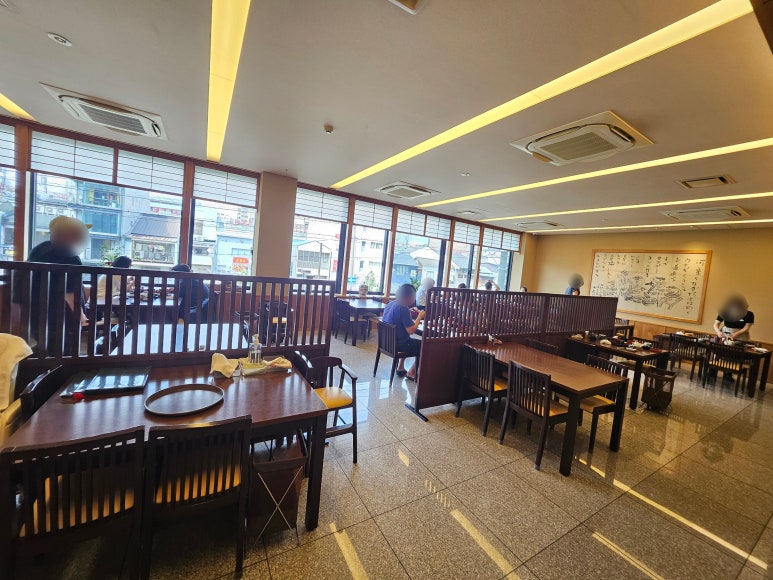
Second-floor dining area at Yoshizuka Unagiya
The second floor was spacious and set up like a large dining hall. The wooden tables and partitions created a comfortable amount of privacy, making it easy to enjoy a quiet meal. There were even counter-style seats facing the wall for solo diners. Soft sunlight filtered in through the windows, giving the space a calm atmosphere.
🍱 Choosing Between Unagidon and Unaju
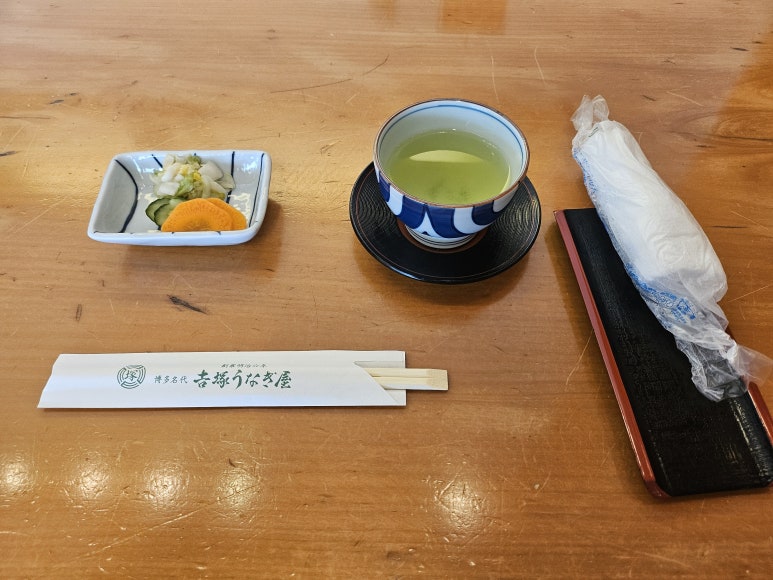
Basic table setting
Once I sat down, the staff brought over a wet towel, green tea, chopsticks, and a few simple side dishes. Green tea always seemed especially good wherever I went in Japan.
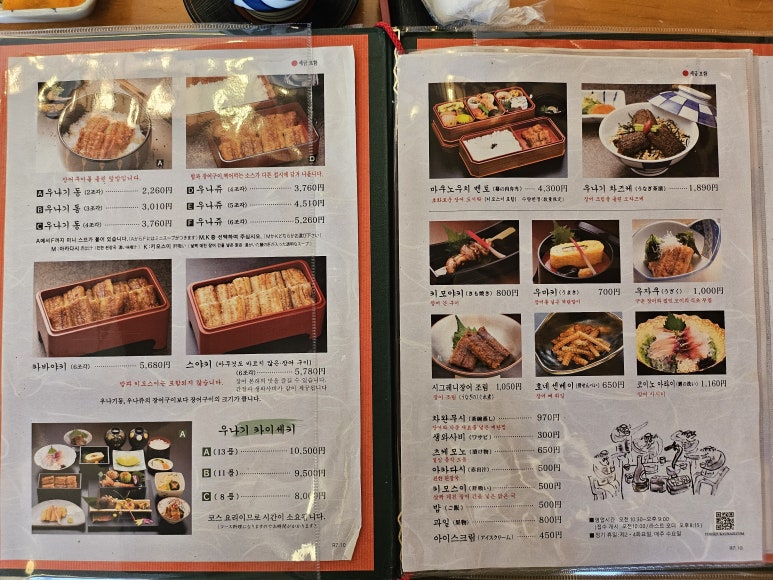
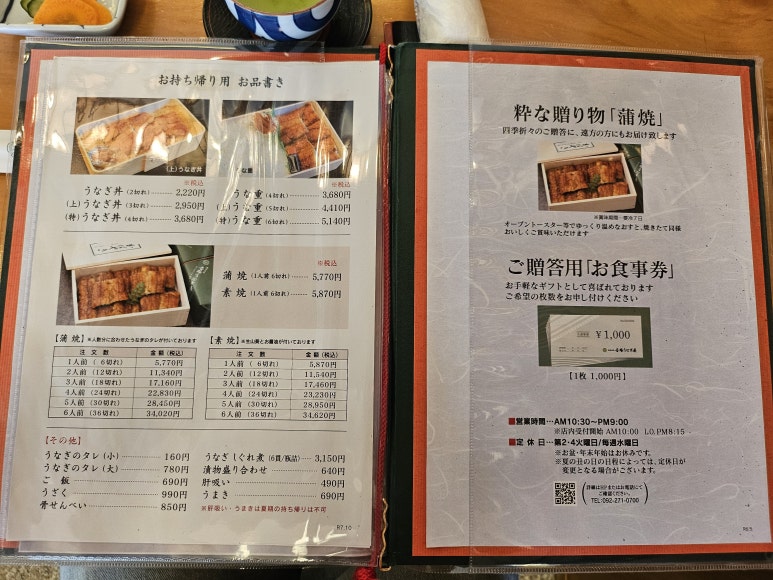
Interestingly, the first page of the menu was in Korean, while the following pages were in Japanese. It really showed how many Korean visitors come here.
I debated between unagidon and unaju before ordering the special-size unaju. It cost 5,140 JPY (about 51,000 KRW) and came with six pieces of eel.
To briefly explain the difference, unagidon is served as a rice bowl with eel placed on top of the rice. Unaju is served in a lacquered box, with the eel and rice presented separately. When you order unaju, the eel sauce is also served separately on a plate.
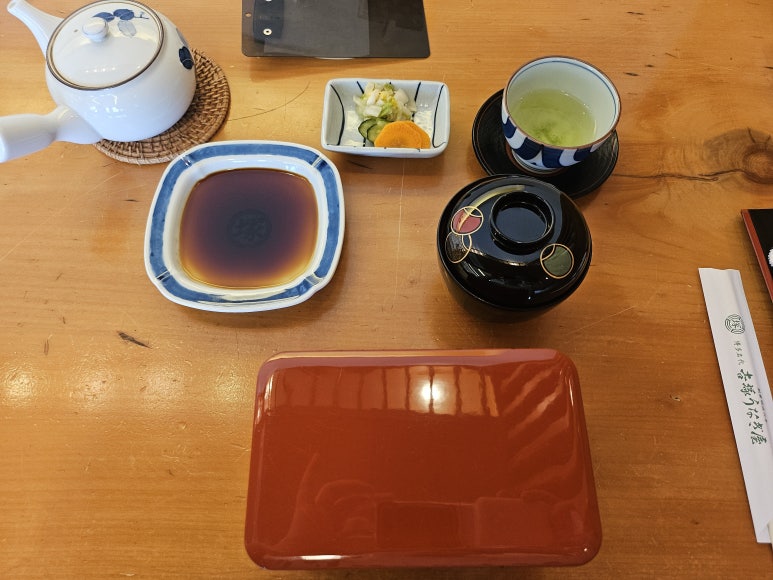
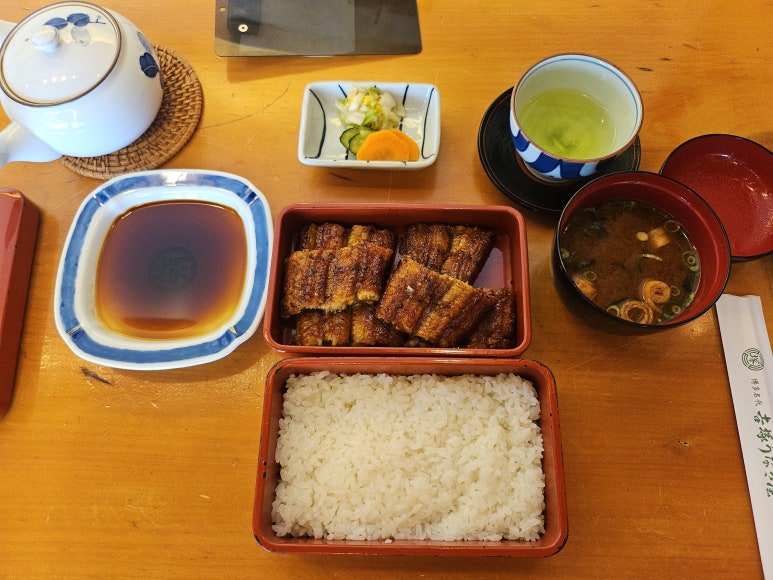
Full unaju set
The soy sauce-like liquid on the wide plate to the left was the famous eel sauce, or tare, that’s said to be 150 years old.
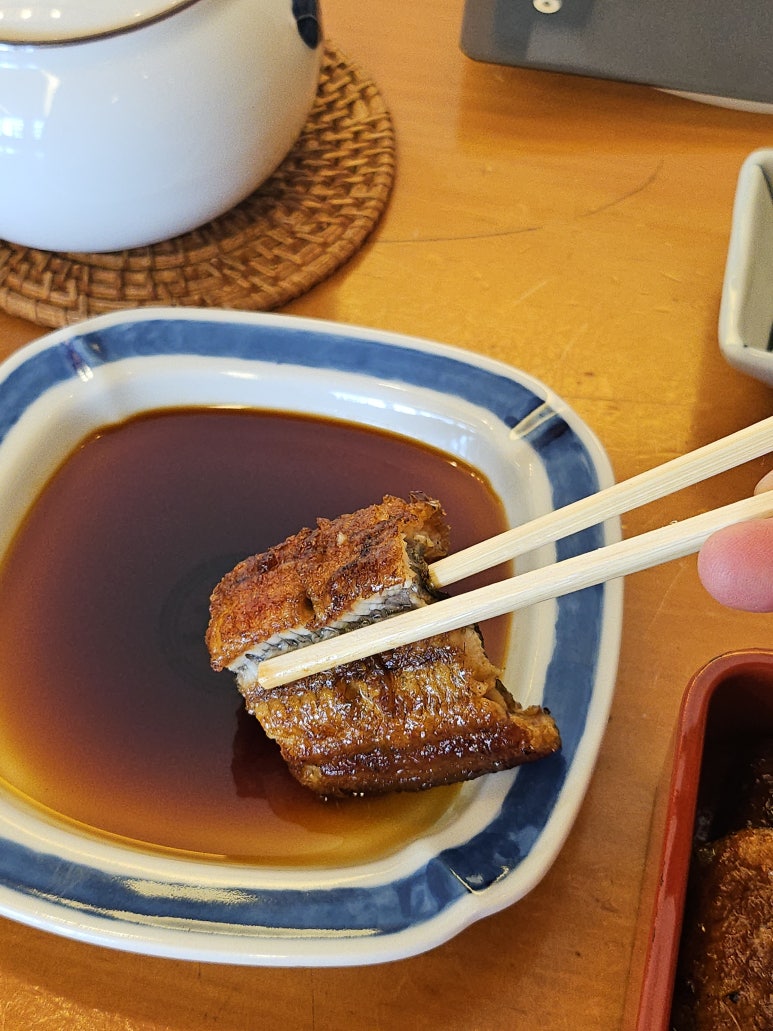
Since you dip the eel into the sauce yourself, it might feel a little unfamiliar at first. But it was fun to taste the eel on its own first and then gradually add the tare to adjust the flavor.
🔥 Diving Into Yoshizuka Unagiya’s Crispy-Outside, Tender-Inside Eel
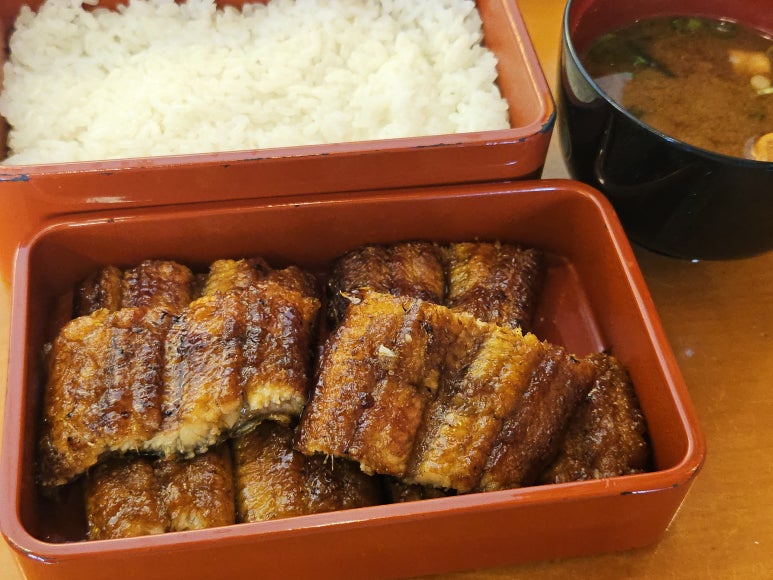
The unaju looked so good that I still wanted another serving.
If you’ve never tried eel at a Japanese eel specialty restaurant, it’s hard to even begin talking about great food spots.
The eel felt so thick and tender that it almost seemed like a completely different fish from the eel I’d eaten in Korea. The texture was closer to meat than fish. The restaurant used its own grilling technique called “Konashi (こなし),” which created a firm exterior while keeping the inside incredibly soft.
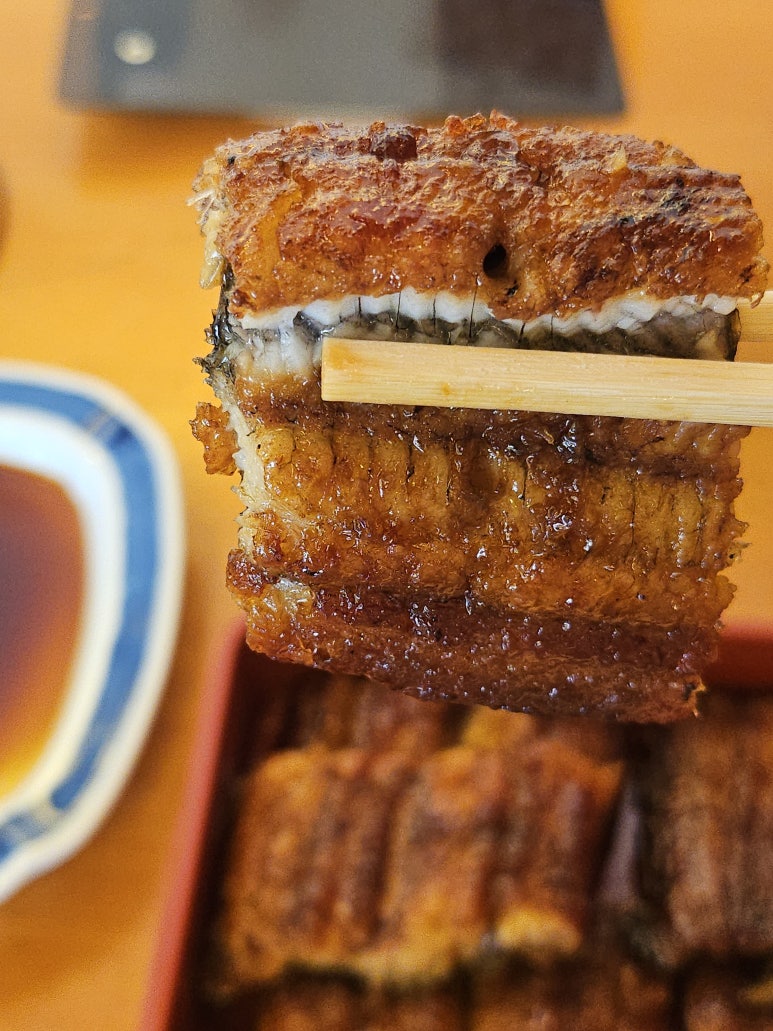
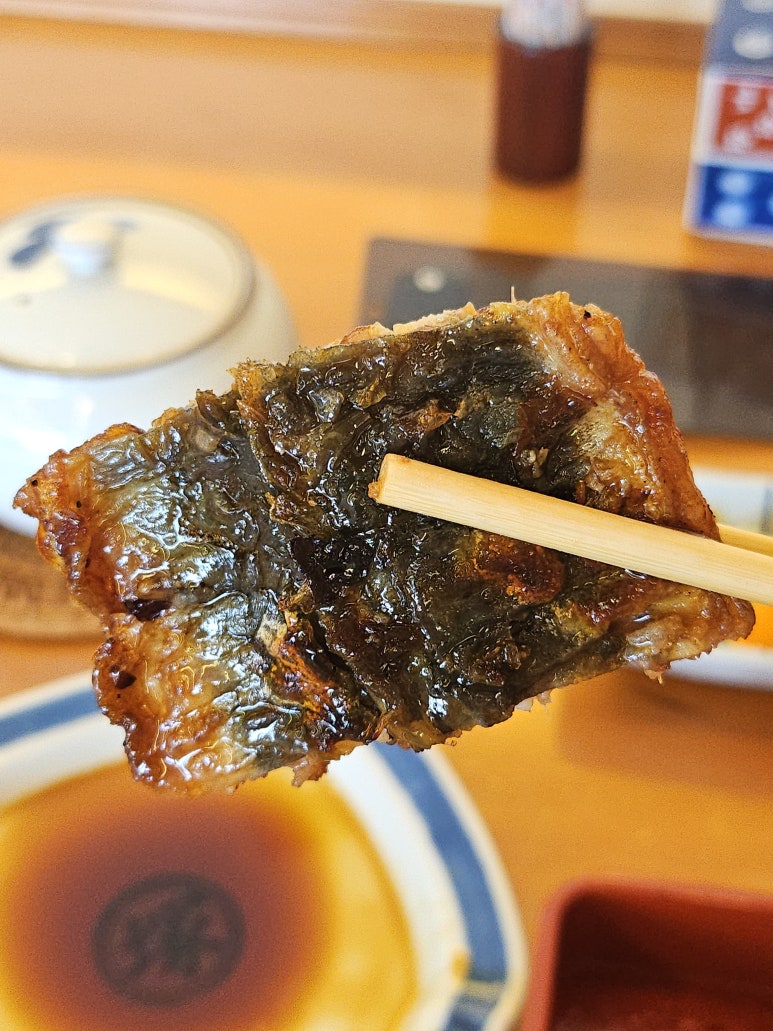
It was so tender that it almost fell apart just from being picked up with chopsticks.
When dipped into the sauce, the flavor became pleasantly savory. When eaten plain, the eel’s natural richness and aroma stood out. The two styles tasted surprisingly different, so I found myself alternating between them.
Each piece of eel was much larger than I’d expected. Unless you have a big appetite, the special size with six pieces might feel like a lot. My impression was that four pieces would probably be enough for most women, while five pieces might suit most men.
Even if eel isn’t usually your favorite food, this might be the place that changes your mind. I’d definitely recommend giving it a try.
💡 Who Should Come Here?
1. Anyone looking for a proper meal at one of Fukuoka’s traditional and long-established restaurants
2. Anyone who’s tried unagidon before but hasn’t experienced unaju yet
3. Anyone with a relaxed afternoon schedule who wants to enjoy the restaurant without waiting in line
💬 Wrapping Up With Traditional Flavors
The price might feel a little expensive at first, but if you choose the regular or medium size, it actually isn’t dramatically different from ordering a plate of grilled eel in Korea. Between the refined atmosphere, the traditional setting, and the 150-year-old sauce, I thought it was a meal well worth experiencing.
📍 Location: About a 5-minute walk from Nakasu
⏰ Hours: 10:30–21:00 (Closed every Wednesday and the 2nd and 4th Tuesday of each month)
🅿️ Parking: Four dedicated spaces available, or nearby Paraca Nakasu Parking
🚇 Getting There From Nearby Stations
It’s a 2-minute walk from 쿠시다진자마에역 (Kushida Shrine-mae Station) Exit 2 on the Nanakuma Subway Line. You can also get there in about 3 minutes on foot from 나카스카와바타역 (Nakasu-Kawabata Station) Exit 5 on the Airport Line or Hakozaki Line.
Yoshizuka Unagiya
2-chōme-8-27 Nakasu, Hakata Ward, Fukuoka, 810-0801, Japan
🔗 Exploring More Fukuoka Food Spots
Looking for more Fukuoka restaurant recommendations? When it comes to Fukuoka, motsunabe and ramen are must-tries.
Be sure to check out my reviews of Motsunabe Ichifuji and Shin Shin Ramen, two places I really enjoyed.